
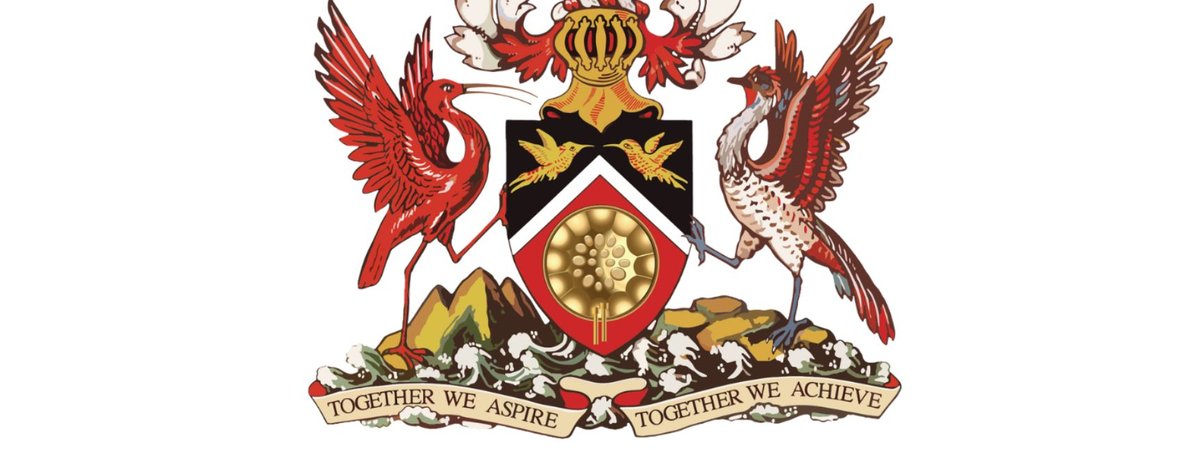
It is my distinct honour and pleasure to welcome you, on behalf of the Government and people of the Republic of Trinidad and Tobago, to the Twenty-Seventh Regional Meeting of National Authorities of States Parties in Latin America and the Caribbean to the Chemical Weapons Convention.
It is especially fitting that Trinidad and Tobago hosts this meeting as we serve, together with the Plurinational State of Bolivia, as Co-Chairs of the Regional Network of National Authorities for Latin America and the Caribbean. I thank Bolivia for its valued partnership and look forward to our continued collaboration in advancing the objectives of the Chemical Weapons Convention across our region.
The convening of this meeting reflects the enduring strength of regional cooperation and our shared commitment to ensuring that chemistry is used exclusively for peaceful purposes. It also provides an opportunity for us to learn from one another, exchange experiences and reinforce the partnerships that are essential to the effective implementation of the Convention.
The Chemical Weapons Convention remains one of the most successful multilateral disarmament treaties ever negotiated. It demonstrates what can be achieved when the international community acts collectively in pursuit of peace and common security. Through its comprehensive verification regime and near-universal membership, the Convention has become a cornerstone of the global disarmament and non-proliferation architecture.
Yet, our work is far from complete. The evolving international security environment, together with rapid advances in science and technology, require us to remain vigilant and forward-looking. National Authorities are at the forefront of this effort. Your work ensures that the Convention is not merely an international legal instrument, but a living framework that is effectively implemented at the national level through legislation, regulation, outreach and cooperation.
For Trinidad and Tobago, the objectives of the Convention are especially significant. Our country is home to one of the largest petrochemical and energy-based industrial sectors in the Caribbean. We are a major producer and exporter of ammonia, methanol and other industrial chemicals that contribute significantly to our national economy and to global supply chains. These are chemicals produced entirely for legitimate industrial and commercial purposes. However, the Convention reminds us that many chemicals have dual use characteristics; they can serve humanity through agriculture, manufacturing, medicine and innovation, but if diverted or misused, some can also cause immense harm. This reality places a particular responsibility on States like ours to maintain robust regulatory systems, effective oversight and a strong culture of compliance. It also highlights why close cooperation between government, industry and the OPCW remains indispensable.
In Trinidad and Tobago, the Ministry of Foreign and CARICOM Affairs presently serves as the National Authority under the Chemical Weapons Convention pending the enactment of implementing legislation to formally establish the National Authority. While we have consistently fulfilled our responsibilities under the Convention, we recognise the importance of establishing a comprehensive legislative framework that fully reflects our obligations as a State Party. I therefore wish to reaffirm my commitment that, under my stewardship, the advancement of implementing legislation will remain a priority.
Our dedication to the Chemical Weapons Convention reflects Trinidad and Tobago's broader commitment to international law, effective multilateralism and the peaceful resolution of disputes. These principles have guided our foreign policy since our Independence in 1962, and continue to shape our engagement on the international stage.
As you may be aware, earlier this year, Trinidad and Tobago was elected to serve as a non-permanent member of the United Nations Security Council for the 2027–2028 term. We are deeply honoured by the confidence placed in us by the international community and view this responsibility as both a privilege and a solemn obligation. We will continue to champion respect for international law, the peaceful settlement of disputes, disarmament, and meaningful international cooperation; principles that lie at the very heart of the Chemical Weapons Convention and the work of the Organisation for the Prohibition of Chemical Weapons.
I wish to express our sincere appreciation to the Technical Secretariat of the OPCW for its steadfast partnership and continued support to States Parties throughout Latin America and the Caribbean. The Secretariat's technical expertise, capacity-building programmes and commitment to cooperation have been invaluable in strengthening implementation across our region.
I also wish to place on record my sincere appreciation to the officers of the Treaties, International Agreements and Legal Division of the Ministry of Foreign and CARICOM Affairs who carry out the work of the National Authority. I wish to pay them a very special homage this morning. Their professionalism, diligence and unwavering commitment have ensured that Trinidad and Tobago fulfils its obligations under the Convention and I also thank them most sincerely for their exceptional efforts in organising this meeting.
While the substantive discussions over the next few days are undoubtedly the focus of your visit, I also encourage you to enjoy the hospitality of Trinidad and Tobago. We are especially pleased to host you on an excursion to the Caroni Bird Sanctuary, one of our country's most treasured natural attractions and home to the magnificent Scarlet Ibis, one of our national birds. We hope this experience will provide a memorable glimpse of our nation's rich biodiversity and natural beauty, while fostering the friendships that make regional cooperation so meaningful.
Ladies and Gentlemen,
The Chemical Weapons Convention is more than a treaty. It is a testament to what can be achieved through dialogue, cooperation and shared resolve. Let this meeting reaffirm our collective commitment to ensuring that chemical weapons have no place in our region and the world and that future generations inherit a safer, more peaceful and more secure international community.
It is now my distinct pleasure to declare open the Twenty-Seventh Regional Meeting of National Authorities of States Parties in Latin America and the Caribbean to the Chemical Weapons Convention.
I wish you fruitful deliberations and an enjoyable stay in Trinidad and Tobago.
Thank you.
